Evidence and Analysis
Evidence sessions
Since 2021 the Commission has conducted evidence-gathering sessions, site visits and other events to allow Commissioners to take evidence from small businesses and large, from trade experts and economists, from trade bodies and trade unions, to propose practical recommendations to the UK Government as they enter the TCA review, as well as making recommendations about existing and proposed trade deals with the rest of the world. We publish transcripts and videos of our full sessions here.
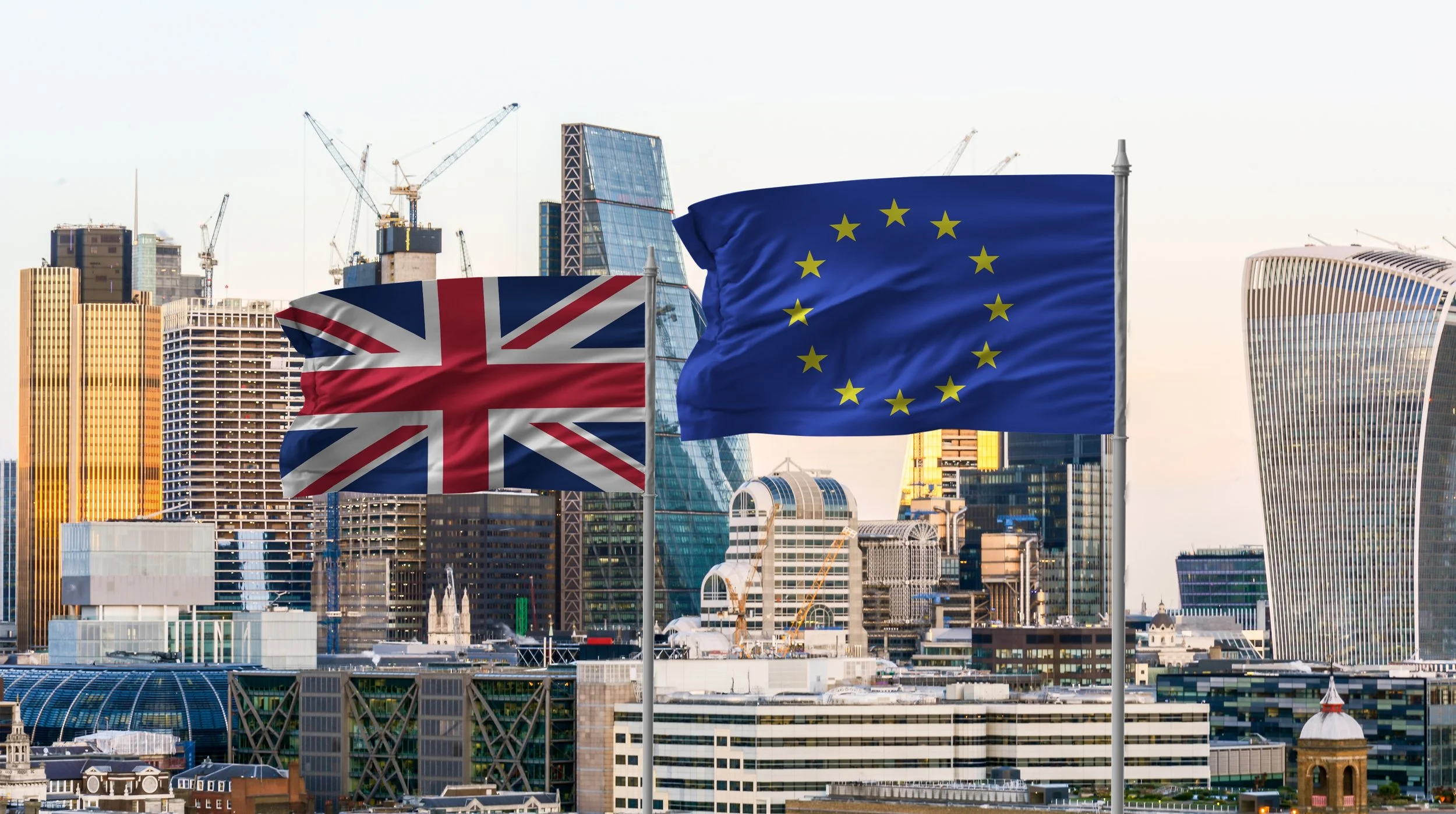
The 26 March session will examine the ongoing “reset” in relations between the United Kingdom and the European Union following recent geopolitical developments. The discussion will explore several interconnected themes, including economic security, defence and security cooperation, and the broader geopolitical environment shaping UK–EU engagement.
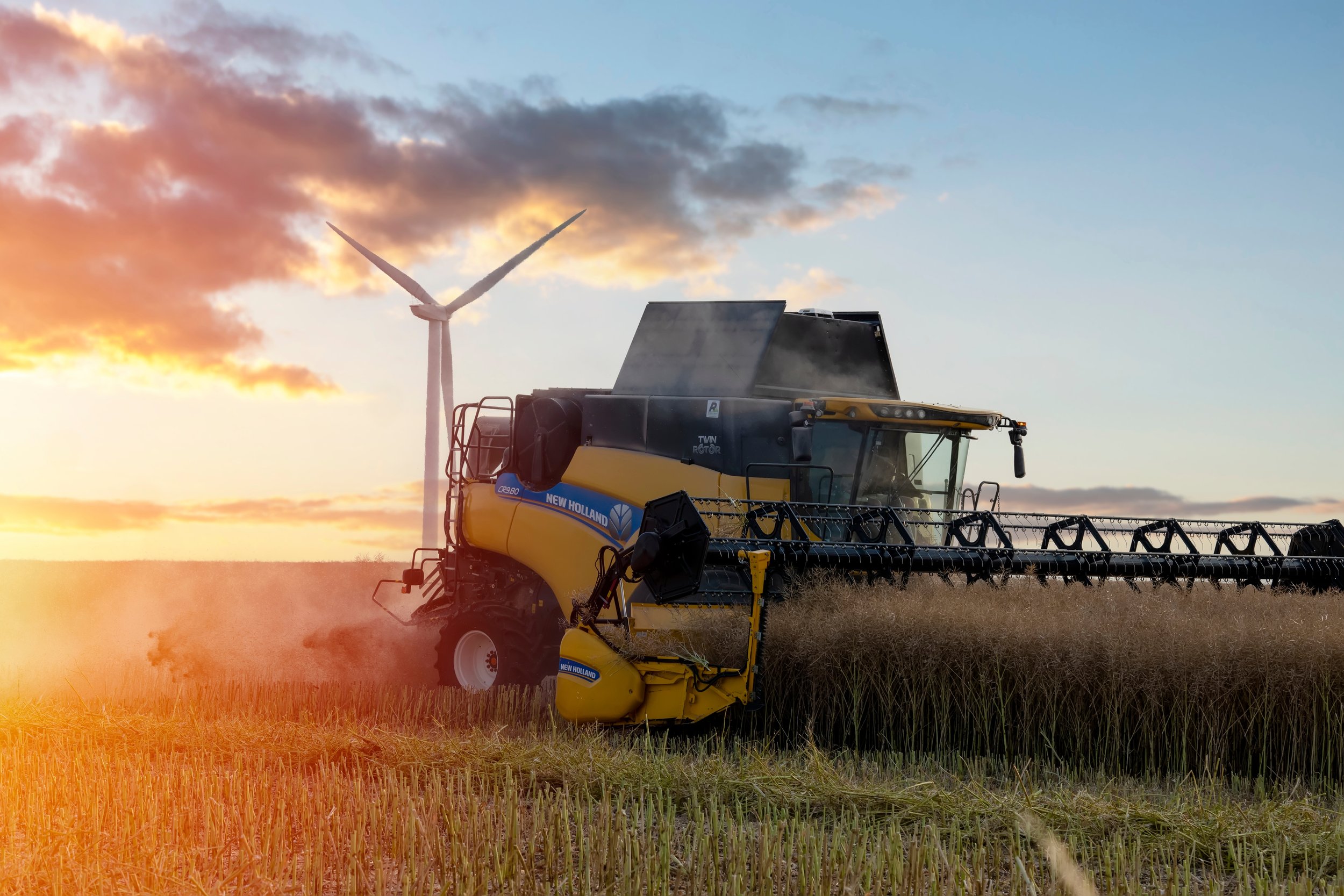
This timely session will provide valuable insights into the ongoing negotiations of a Sanitary and Phytosanitary agreement between the UK and the EU. The discussion will explore the current progress of UK–EU SPS negotiations, key challenges and opportunities facing the UK agriculture sector and the future direction of UK agricultural policy in light of these developments
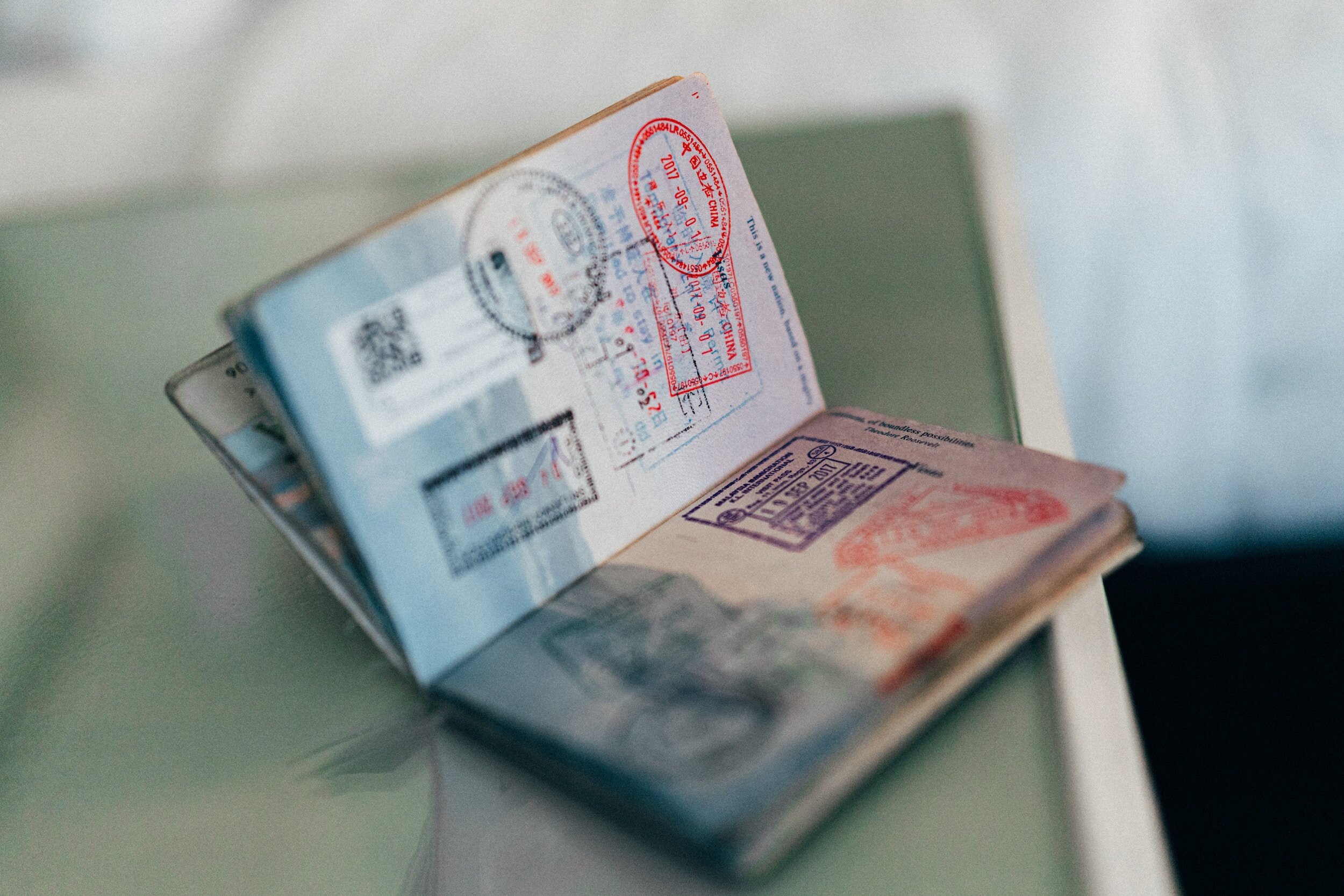
This timely session will provide valuable insights into the ongoing negotiations of a ‘Youth Experience Scheme’ between the UK and the EU. As the global landscape grows increasingly complex, the discussion will explore both the opportunities and challenges ahead, assess the likely future of youth mobility, and consider how both sides can work towards negotiating an effective scheme.
The choices and compromises faced by UK and EU legislators seeking to agree a UK-EU Youth Experience Scheme are likely to determine the overall shape of the new UK-EU Strategic Partnership, given that this is a top EU priority. This paper explores the possibilities and limitations, precedents and obstacles, to aid these discussions in the months ahead.
This timely session that will provide valuable insights into the evolving US-UK relationship in light of ongoing discussions around strengthening trade and strategic cooperation. As the global landscape becomes more complex, this discussion will examine the opportunities and challenges ahead and assess the likely direction of future UK–US negotiations.
The UK Government is preparing for the upcoming UK-EU summit on 19 May, with a renewed focus on strengthening its trade relationship with the EU. However, while the UK’s core ambitions remain to enhance close business and trade ties, the mounting geopolitical tensions and growing emphasis on security and defence cooperation, adds a new layer of urgency to these discussions.
The UK-EU relationship has entered a new phase with the announcement of the EU-UK Strategic Partnership, comprising three substantive documents: The UK-EU Summit 2025 Joint Statement, The EU-UK Security and Defence Partnership and The Common Understanding.
The UK Government is preparing for the upcoming UK-EU summit on 19 May, with a renewed focus on strengthening its trade relationship with the EU. However, while the UK’s core ambitions remain to enhance close business and trade ties, the mounting geopolitical tensions and growing emphasis on security and defence cooperation, adds a new layer of urgency to these discussions.
The UKTBC hosted a panel of the establishment of a new, independent Board of Trade.
This site visit will take place on 27th November 2023, and will see the UKTBC team visit FreshLinc in Spalding, Lincolnshire.
This site visit will take place on 21st November 2023, and will see the UKTBC team visit the Cemex cement plant in Rugby.
This session will cover the EU’s CBAM and domestic Net Zero policy goals
This session covered beneficial regulatory alignment with the EU and a reciprocal youth mobility visa scheme.
In this session, the UK Trade and Business Commission met to take a holistic look at current global trading environments.
In this session, the UK Trade and Business Commission met to hear from experts what role future UK trade deals can have in skills development and inward investment.
In this session, the UK Trade and Business Commission met to hear from experts what role healthcare might have in future UK trade deals.
In this session, the UK Trade and Business Commission met to hear from experts what role devolution and levelling up have in future UK trade deals.
In this session, the UK Trade and Business Commission met to hear from experts who can outline what the UK Government need to do in order to embed environmental and standards protections in future UK trade deals.
In this session, the UK Trade and Business Commission met to hear from experts who can outline what the UK Government can do to support the agriculture and fishing industries post-Brexit.
In this session, the UK Trade and Business Commission met to hear from experts who can outline what the UK Government can do to support the growth of Financial Services and FinTech industries.
The UK Trade and Business Commission took evidence on the best approaches with which to conduct future international trading relationships. Ensuring that trade maximises domestic priorities while also strengthening international partnerships is an important balance to achieve, and it is critical going forward that the UK does not sacrifice its overall aims and goals by rushing insufficient trade deals which do not feed into overall UK objectives.
Arts and culture is a cornerstone in the UK’s global influence and soft power but creative industries have been badly impacted in the aftermath of Brexit. As the government pursues new international trade deals, the UK Trade and Business Commission took evidence on the current economic challenges facing the creative sectors and what is required in future trade deals to ensure the UK's cultural sector thrives.
This session of the UK Trade and Business Commission analysed the UK’s manufacturing and construction sectors, with one hour-long panel on manufacturing immediately followed by an hour-long panel on construction.
This session of the UK Trade and Business Commission analysed the EU Retained Law (Revocation and Reform) Bill. As part of the session, the Commission interrogated the legislation and its implications - both in terms of business and trade and in terms of the UK’s constitution.
This session of the UK Trade and Business Commission took evidence on the fashion and textile industry and the potential UK-India Free Trade Agreement.
This session of the UK Trade and Business Commission took evidence on the cost of living crisis, querying if the recent UK Government action had worsened the crisis.
This session of the UK Trade and Business Commission took evidence on prospective UK free trade agreements with Canada and the USA.
The UK’s Free Trade Agreements
Since the UK left the European Union, it has had autonomy over the trade deals it negotiates, agrees and signs. In many cases, most of the trade deals in place are rollover agreements from when the UK was an EU member state (in other words, the deals are no different). However, the UK has since signed some new trade deals that are either slightly different from previous EU agreements, or stand-alone agreements entirely.
The UK’s trade agreements with Australia and New Zealand and negotiations with the USA and India have been most prominently covered in the media. As the UK continues to sign deals, or negotiate them, we will look to provide analysis and insights into the key takeaways and areas of interest.
UK Trade Agreements by Country
The UK has prioritised trade deals with several countries across the world so far. You can track the progress of each of the UK’s free trade agreements by following the relevant link below.
Rolled-Over Agreements
The UK has signed trade agreements which were ‘rolled-over’ from the UK’s membership of the EU. These are agreements which the UK had with around 70 countries by virtue of its EU membership, and many have been replicated as UK bilateral agreements. However, the UK has since signed a series of new trade deals listed below.
-
South Korea
The United Kingdom and South Korea concluded negotiations on an upgrade trade agreement on 17th December 2025, boosting the export of British goods.
-
European Union
The UK and European Union (EU) signed a new deal on the 19 May 2025 aimed at fixing post-Brexit friction. From smoother travel and youth mobility to cheaper food, defence cooperation and reduced barriers for businesses.
-
United States
The US and UK announced a deal on tariffs on 8 May 2025. The deal will see the 25% levy on UK steel and aluminium removed and the rate on most car exports cut to 10%.
-
India
The UK and India agreed to a comprehensive Free Trade Agreement on the 6 May 2025.
-
CPTPP
The UK joined the Comprehensive and Progressive Agreement for Trans-Pacific Partnership (CPTPP) on December 15, 2024. This makes the UK the first non-founding member and the first European country to join the CPTPP.
-
Gulf Cooperation Council
The UK began trade talks with a host of Gulf countries in June 2022.
-
Canada
The UK and Canada launched negotiations on a free trade agreement in March 2022.
-
New Zealand
The UK and New Zealand signed a free trade agreement in February 2022.
-
Australia
The UK and Australia signed a free trade agreement in December 2021.
-
Japan
The UK and Japan signed an economic partnership agreement in October 2020.